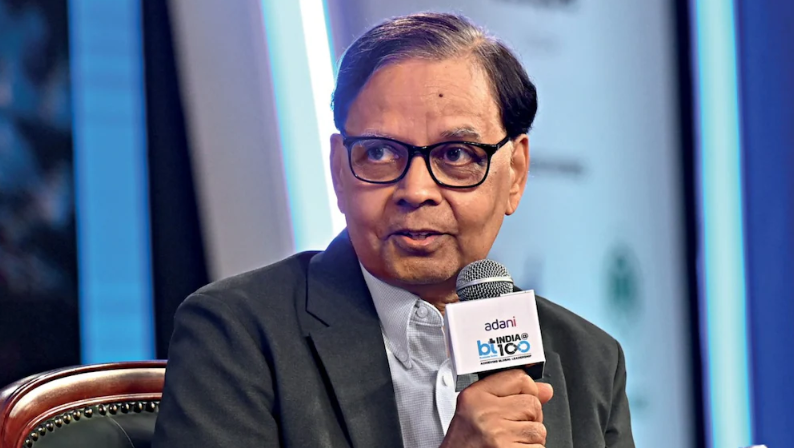



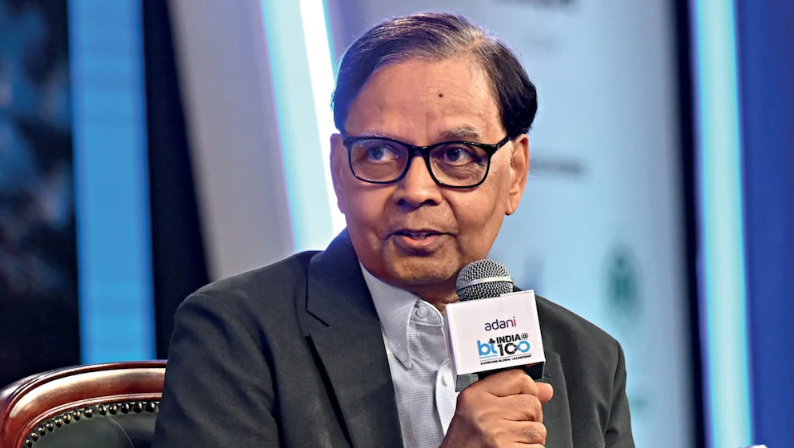
We should strive towards two non-zero GST rates: Arvind Panagariya
Economist and policymaker Arvind Panagariya, Chairman of the 16th Finance Commission, has documented the economic history of independent India’s first Prime Minister Jawaharlal Nehru’s era and its impact on subsequent policymaking. The book, The Nehru Development Model, states that Nehru’s policies stunted India’s economic potential, creating a socialist mindset that persisted long after the era and hampered growth until the liberalisation of the 1990s. Panagariya spoke with Business Today’s Siddharth Zarabi on what lessons are left to be learnt for India’s future economic journey. Edited excerpts:
Q: What remains to be dismantled of the Nehruvian era when it comes to economic policymaking in India?
A:A lot of what PM Nehru did has been dismantled… investment licensing, import licensing, and foreign exchange control… Those three have been largely dismantled, but there are things… [such as] the Industrial Disputes Act, which still needs to be replaced by the Code on Industrial Labour… But when I use the term Nehru era, one has to also include, at least for the purpose of this specific question, what followed Nehru? Because Nehru’s era did not end with Nehru…. [it] was followed by yet more socialism, what I call hard socialism, under his daughter Indira Gandhi. And a number of things that were done under Indira Gandhi still remain to be undone. These include the nationalisation of banks that was done in 1969. Coal mines were nationalised… oil industry was nationalised… And of course the influence of the Nehru era has even extended into the post-reform era whereby, during the UPA years, particularly UPA 2, 2009 to 2014, we saw a return of some of the Nehru-like measures, which included the very restrictive Land Acquisition Act and the Right to Education Act. There’s also retrospective taxation, which has not been undone…
Q: One of the points that you have made is on disinvestment—on the state getting out of the public sector. In the current political economy environment, what is to be done?
A:If anything, the state’s responsibilities have only increased… Education and health are two prime examples where the state is now invested far more heavily than it was during the Nehru era or even during the Indira Gandhi era. There are areas where clearly the state has to be deeply involved, like in defence. There again, one would like to see much larger expenditures going to defence than financial constraints have allowed so far. It is from that perspective that in some ways one can argue that for the state to come out of what it calls the non-strategic sectors now is yet more important.