


Telangana Closes All Transport Check Posts after ACB Raids; Shift to Online Monitoring Begins
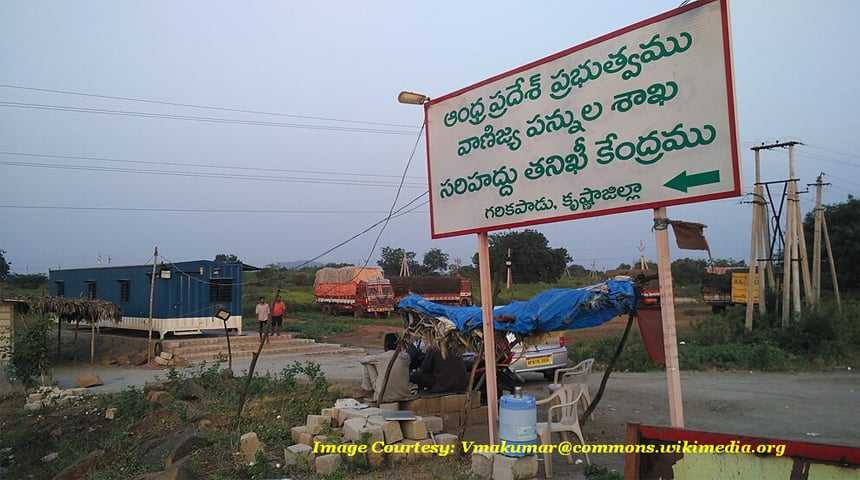
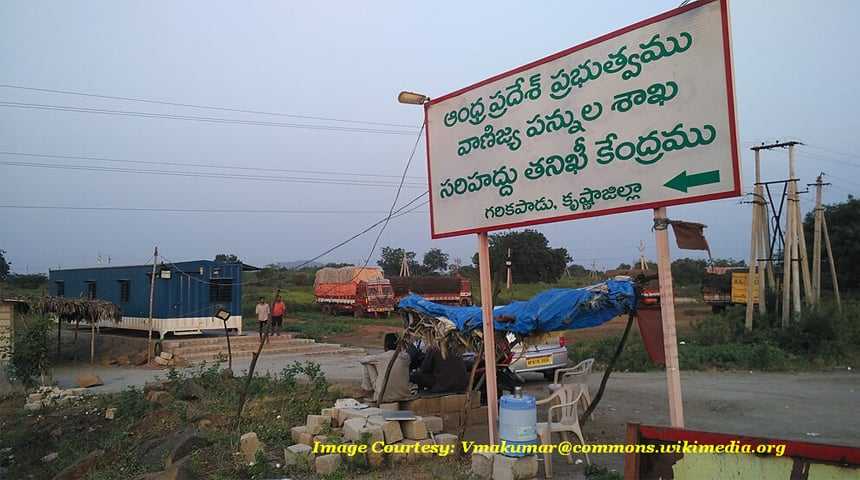
In a sweeping administrative and anti-corruption reform, the Telangana government has ordered the immediate closure of all transport department check posts across the state. The decision, finalised under the directions of chief minister (CM) A Revanth Reddy, aims to dismantle long-standing physical barriers on highways, eliminate corruption-prone checkpoints and transition to a fully digital transport compliance system.
The order comes days after the anti-corruption bureau (ACB) conducted state-wide raids exposing a bribery network at regional transport authority (RTA) check posts. Acting on these revelations, the government moved swiftly to abolish all physical inspection points, citing both the Central government’s directive to eliminate redundant checkpoints post-GST and the need to restore transparency in road transport operations.
A memo issued by the transport commissioner on Tuesday directed all deputy transport commissioners (DTCs) and district transport officers (DTOs) to cease operations immediately at check posts and begin dismantling infrastructure. The officers have been instructed to remove all barricades, boards, and signage and replace them with new display boards in regional languages announcing the closure and listing available online services for vehicle operators.
Officials have been asked to ensure unobstructed vehicle movement by removing physical barriers, to redeploy all staff to respective district offices and to record the dismantling process on video for audit and compliance purposes. The footage, along with a detailed report confirming the closure, redeployment and reconciliation of financial and administrative records, must be submitted to the transport commissioner by 5pm on Wednesday.
The memo also directs that all movable assets—including computers, furniture, records and equipment—be transferred to district offices without delay. Officers are required to reconcile cashbooks, receipts, challans and related documents and preserve them as part of the final audit.
Telangana transport minister Ponnam Prabhakar, addressing reporters at the Khairatabad RTA office, says the government’s decision was part of a larger push to clean up the department and make transport regulation completely transparent. “For over a decade, these posts have been synonymous with malpractice. From today, every check post in Telangana stands dismantled. This is a move towards a corruption-free, technology-driven system,” he says.
The minister added that the closure was not merely an administrative step but a public service initiative to simplify compliance and ensure smooth vehicular movement across Telangana’s borders. “We will deploy Artificial Intelligence and advanced analytics across all 63 transport centres to track vehicle movement, identify repeat offenders, and trigger real-time alerts. The focus will be on mining vehicles, overloaded trucks, and high-risk routes,” Mr Prabhakar says.
To prevent illegal movement of goods following the shutdown, the Telangana government has announced enhanced enforcement measures. Special vigilance teams will monitor the movement of commercial vehicles and crack down on overloading, double-numbered registrations, and unauthorised operations.
The decision was accelerated by the ACB raids on 18th October and 19 October 2025, which exposed a network of officials allegedly collecting illegal payments from truck drivers without issuing receipts. Raids across 12 RTA check posts, including those in Adilabad, Kamareddy, Sangareddy and Khammam, led to the recovery of Rs4.18 lakh in unaccounted cash and several incriminating documents. From Adilabad alone—covering Wankidi, Bhoraj and Bhainsa—officers seized Rs1.34 lakh, revealing widespread extortion targeting transporters during the festive period.
Though no arrests have been made so far, some motor vehicle inspectors (MVIs) and assistant MVIs have been questioned. The raids are believed to have strengthened the case for shutting down physical checkpoints that had long served as 'breeding grounds for corruption'.
CM Reddy, who ordered a detailed compliance report on the closure by Wednesday evening, is said to have fast-tracked the process after reviewing the ACB’s findings. His government views the abolition of check posts as a landmark governance reform—one that replaces outdated manual enforcement with digital monitoring systems linked to the transport department’s central database.
The transport department confirmed that the directive stems from government order (GO) No58, issued by the transport, roads & buildings department on 28 August 2025 and reiterated in a follow-up memo. The GO was originally intended to align with the Union ministry of road transport and highways guidelines, which had recommended doing away with state border check posts after the introduction of the goods and services tax (GST) in 2017.
The Union government had argued that with GST subsuming most road-related levies, physical checkpoints were no longer necessary and only led to delays and rent-seeking. Union minister Nitin Gadkari has consistently urged states to switch to GPS-based toll collection and digital enforcement mechanisms to reduce logistics costs and corruption.
Telangana’s move now brings it in line with 22 other states, including Maharashtra, Gujarat, West Bengal and Delhi, which dismantled their border check posts following the GST rollout. Maharashtra, for instance, permanently shut all motor transport border check posts in May 2025, citing similar reasons.
The Telangana government’s order also emphasised the need to inform the public and transporters about the transition to online systems. District officers were directed to install new information boards at every former check post, outlining how operators can now use digital platforms for tax payments, permits, and compliance filings.
Transport department officials expect the complete removal of all check post infrastructure by late Wednesday. “This is a step toward seamless logistics and greater transparency,” a senior official says, adding, “With technology now integrated into every part of transport compliance, physical inspections have become redundant.”
The closure is also expected to ease interstate trade and commercial vehicle movement, cutting down travel time for truckers and lowering operating costs. Industry stakeholders have broadly welcomed the move, noting that corruption and delays at check posts often add avoidable expenses and inefficiencies.
By dismantling all check posts, the Revanth Reddy government has signalled its intent to build a clean, digitally monitored transport system that prioritises efficiency, transparency and accountability — a shift that could serve as a model for other states still operating traditional checkpoints.