


Tax & GST Reforms Since Modi Took Office: Key Changes for Taxpayers
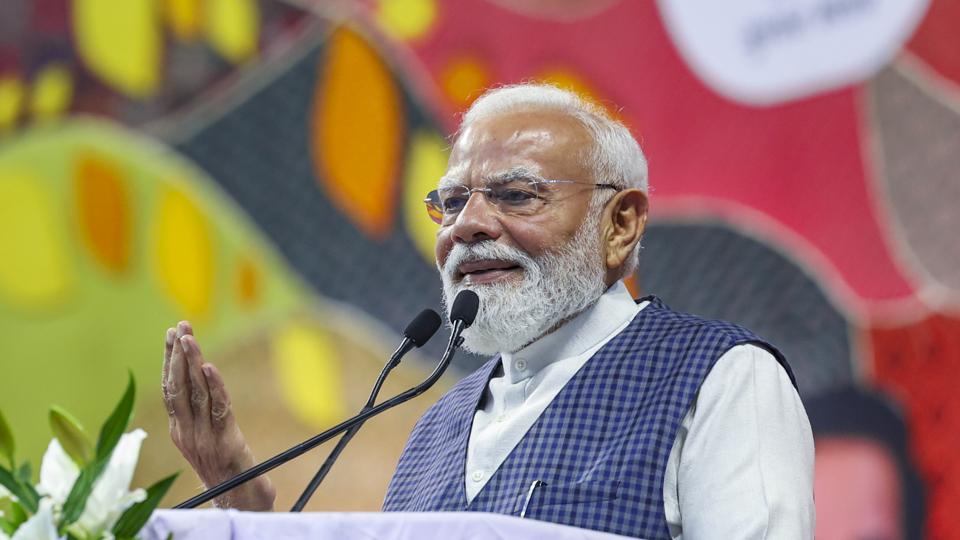
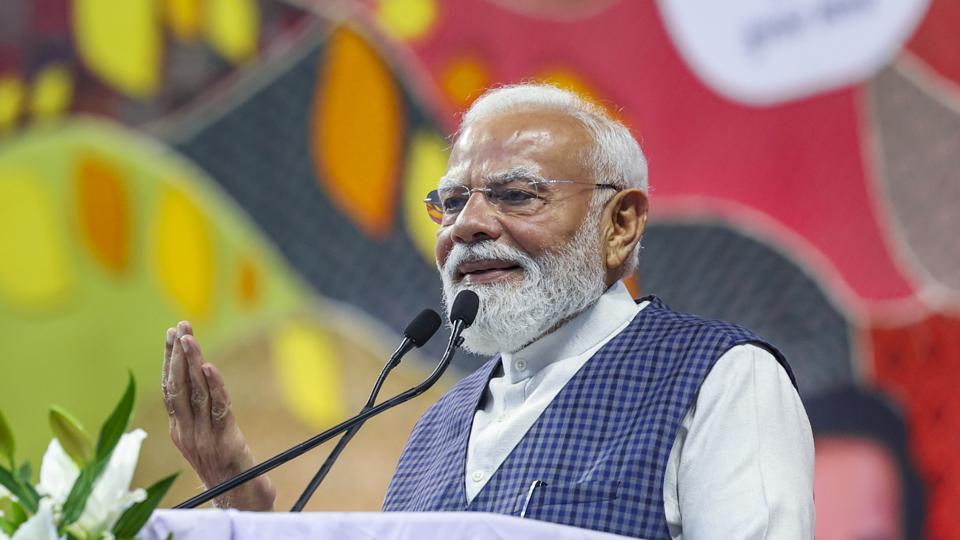
Narendra Modi today, 10 June, achieved a historic milestone by becoming India's longest-serving elected prime minister in continuous office. He has completed 4,399 consecutive days in power, surpassing the 4,398-day record held by former Prime Minister Jawaharlal Nehru.
To mark the occasion, Modi is set to chair a conclave of chief ministers, deputy chief ministers and senior leadership from NDA-ruled states and Union Territories (UTs) at Bharat Mandapam in New Delhi today.
Notably, this also marks 12 years since the formation of the National Democratic Alliance (NDA) government. We look at some of the changes the Modi-led NDA has launched for taxpayers over the past 12 years.
What has changed for taxpayers
Under Modi, India's taxation laws and the tax system have been reworked to adopt a digital-first, simplified approach. Key changes include revisions to Goods and Services Tax (GST) rates, updates to the income-tax law and rules and new regulations for income-tax return (ITRs).
New income-tax rules
Earlier this year, the Finance Ministry notified the new Income-Tax Rules, 2026. The updates reduced the number of tax rules from 399 to 190, while tax forms were cut from 511 to 333. All forms now share the same design and feature clearer text, along with features such as auto-filled data.
The changes aim to make the taxation system easier for businesses and taxpayers to use.
New tax regime
Finance Minister Nirmala Sitharaman, in her Union Budget speeches over the years, announced the new tax regime, introducing different tax slabs and exemption rules to offer a higher ceiling on taxable income for salaried individuals by up to Rs.12 lakh annually. The new tax regime slabs are as follows:
- Zero tax for income up to Rs.2.5 lakh
- 5% for income between Rs.2.5 lakh and up to Rs.5 lakh
- 10% for income between Rs.5 lakh and up to Rs.7.5 lakh
- 15% for income between Rs.7.5 lakh and up to Rs.10 lakh
- 20% for income between Rs.10 lakh up to Rs.12.5 lakh
- 25% for income between Rs.12.5 lakh and up to Rs.15 lakh
- 30% for income above Rs.15 lakh.
GST rationalisation
Sitharaman last year announced a revision of the GST rates in India to simplify business compliance and reduce cascading tax burdens.
The GST Council revised slabs from four (5%, 12%, 18% and 28%) to two (5% and 18%), plus a special rate of 40% on select items and sin goods. As a result, as many as 375 items, including automobiles, electronics, equipment, kitchen staples and medicines, got cheaper.