


Ride apps switch to subscription model amid conflicting rulings on GST liability
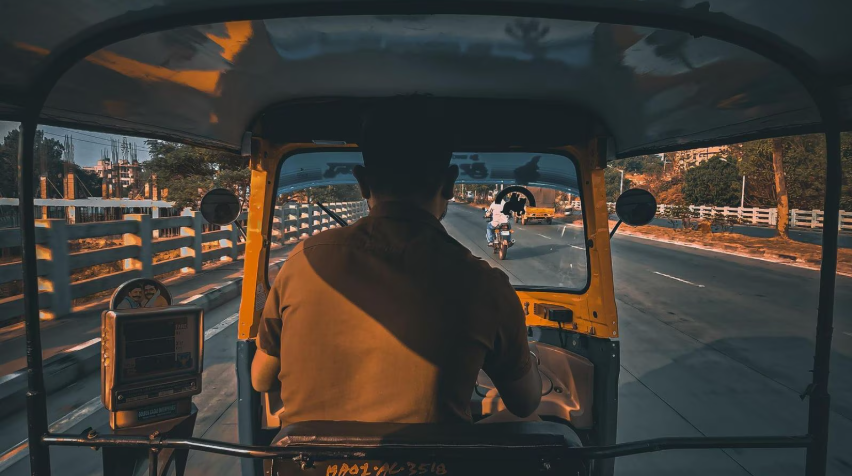
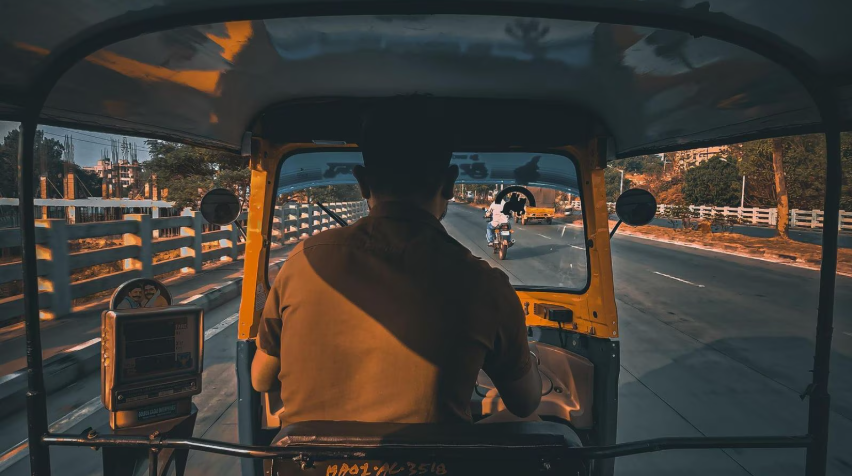
Uber has switched to a cash-only model for auto rickshaw rides, joining competitors Namma Yatri, Rapido, and Ola, despite conflicting tax rulings by the Authority for Advanced Ruling (AAR) on whether ride aggregators must continue collecting Goods and Services Tax (GST) from passengers.
Since February 18, after it shifted to a subscription model for its auto drivers, Uber has stopped levying 5 per cent GST on auto rides, a tax it previously collected under its commission-based model.
The Karnataka bench of the AAR had ruled in November 2024 that Uber remains liable to collect and pay 5 per cent GST under the subscription model, even when it is not collecting any payment from passengers.
In contrast, a September 2023 ruling by the same bench on an application by Namma Yatri stated it was not required to collect GST from passengers, on the grounds that it only links drivers to passengers without being directly involved in the transport service.
Passengers now have to select ‘cash’ as their payment method and can use cash or UPI to pay the fare directly to auto drivers, who, in turn, pay a periodic fee to Uber for platform access under its subscription model.
As no GST is being levied on passengers, Uber is only generating a receipt and “not a tax invoice” after the completion of auto rides. The receipt is not a tax invoice as Uber claims the transactions between passengers and drivers occur independently of its platform.