


One year of GST 2.0: Auto industry says best-ever sales continuing each month
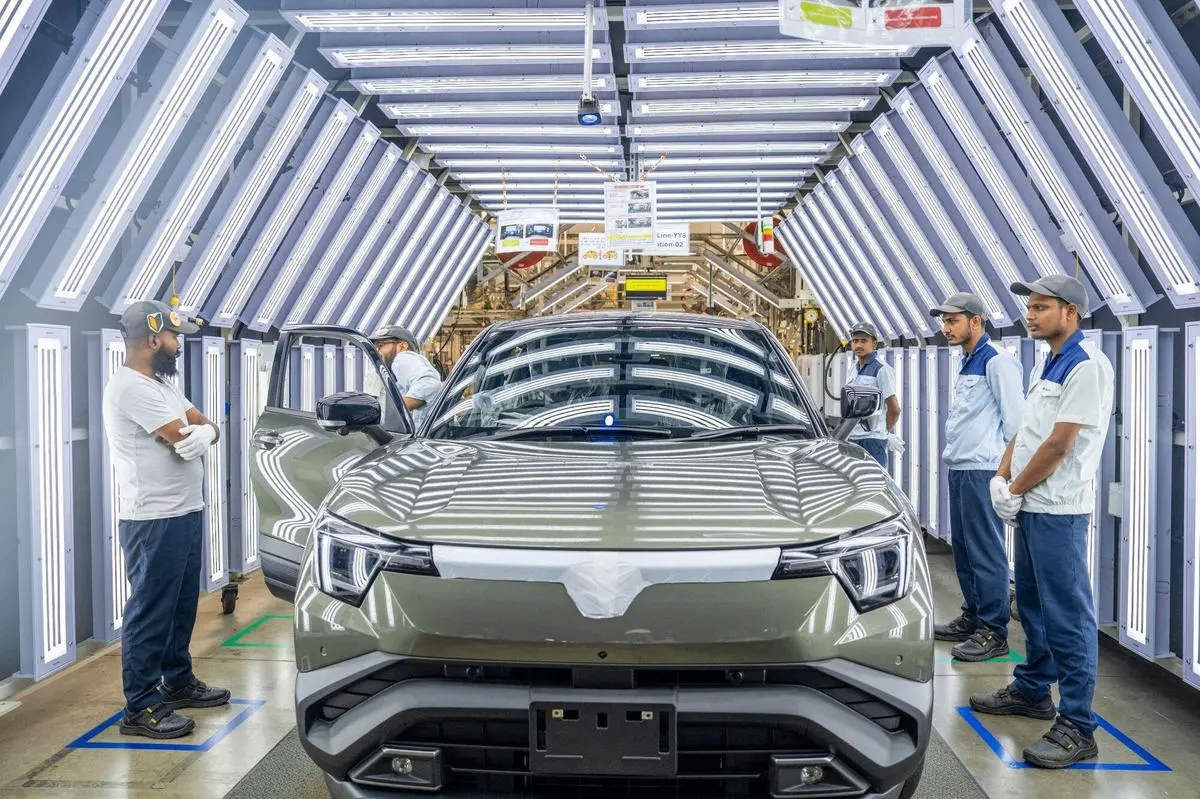
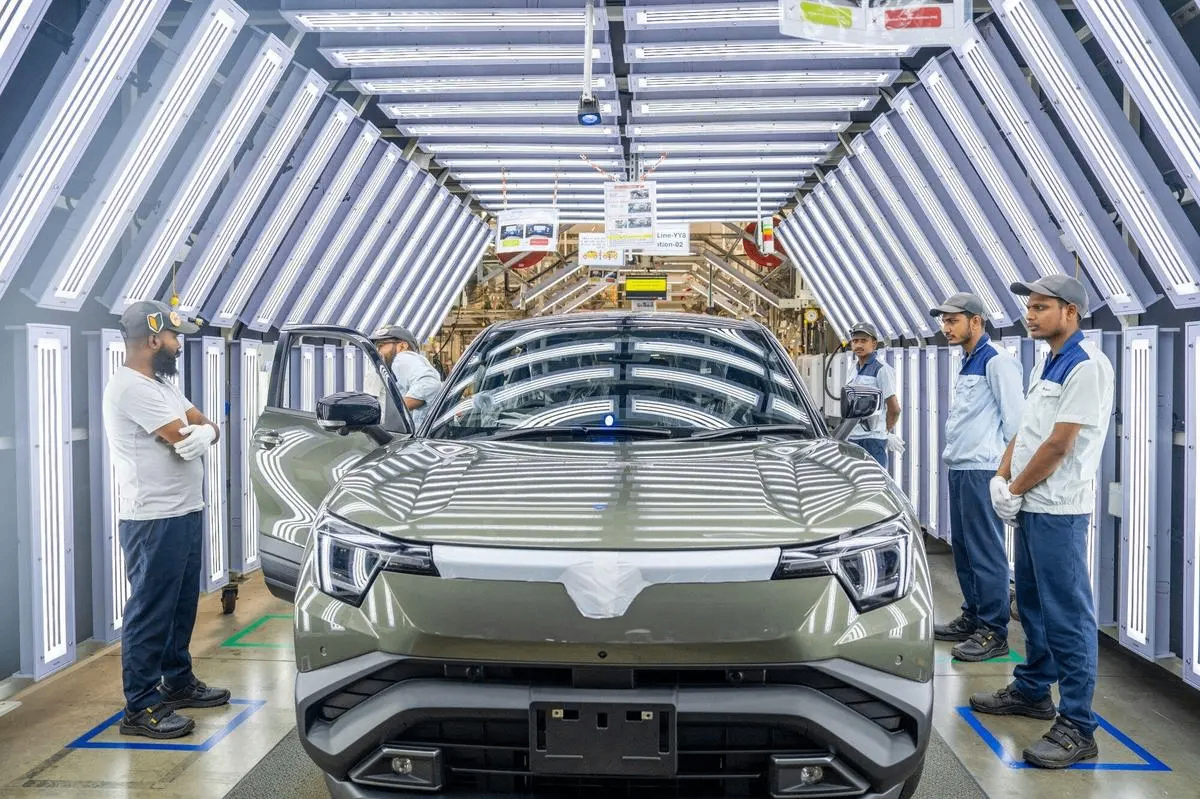
As the country completes one year of GST reforms on Tuesday, the automobile industry said it has posted its best-ever months across categories since then, adding that the gains have been structural, not seasonal.
“A year ago, the landmark GST reform gave fresh impetus to India’s growth journey. At Maruti Suzuki, passenger vehicle (PV) sales grew about 36 per cent year-on-year (y-o-y) during April-August 2026. We are particularly encouraged by the entry segment’s growth of over 96 per cent, where improved affordability has brought mobility closer to many more people,” Hisashi Takeuchi, Managing Director and Chief Executive Officer, Maruti Suzuki India, said.
The move demonstrated the power of the Indian consumer and the importance of affordability, he said.
“When domestic industry catches scale and competitiveness, more global business automatically shifts to us, leading to more exports. Encouraged by this growth, we are accelerating our capex plans, which in turn will create a multiplier effect across the economy,” Takeuchi added.
Similarly, the Federation of Automobile Dealers Associations (FADA) said that in the last one year, the industry has posted its best-ever months across categories -- two-wheelers — the truest barometer of mass India — have reclaimed a peak last seen in 2018; alternative fuels have for the first time in history, overtaken petrol in PVs; and rural India has begun to outpace urban India across the board.
“One year ago, a single, decisive reform rewrote the arithmetic of aspiration for millions of Indian families. On its first anniversary, the verdict sits in the numbers: in the eleven months since GST 2.0 took effect — October 2025 to August 2026 — Indian auto retail has registered over 3-crore vehicles, growing nearly 20 per cent y-o-y, against under 5 per cent in the comparable year before the reform. In a single stroke, GST 2.0 quadrupled the industry’s pace of growth,” Sai Giridhar, President, FADA, said.
The engine of this momentum has been one word — affordability, he said, adding that by permanently lowering the on-road cost of the vehicles that India actually buys — the small car, the commuter two-wheeler, the tractor, the commercial vehicle — the reform did not merely pull demand forward, it widened the market itself, bringing first-time and long-deferred buyers back onto the showroom floor.
Giridhar further said that the “flying start” of last festive season has not faded and a year on, it has become the new normal. By placing affordability at the very heart of policy, the government lit the fuse on a fresh cycle of consumption and lifted Indian auto retail into its next orbit of momentum and growth, he said.
“We are equally mindful that our manufacturing partners are absorbing genuine cost pressures from global volatility — crude, commodities and currency — and we respect that delicate balance. But, the clearest lesson of this remarkable year is this: affordability is the single most powerful lever of demand. So long as affordability remains in frame, India’s auto retail will keep writing new records — and keep powering the larger India growth story, from our metros to our smallest districts,” Giridhar added.