


Navigating Regulatory Shifts: The Impact Of GST Changes On NTPC’s 76 MW Solar Projects
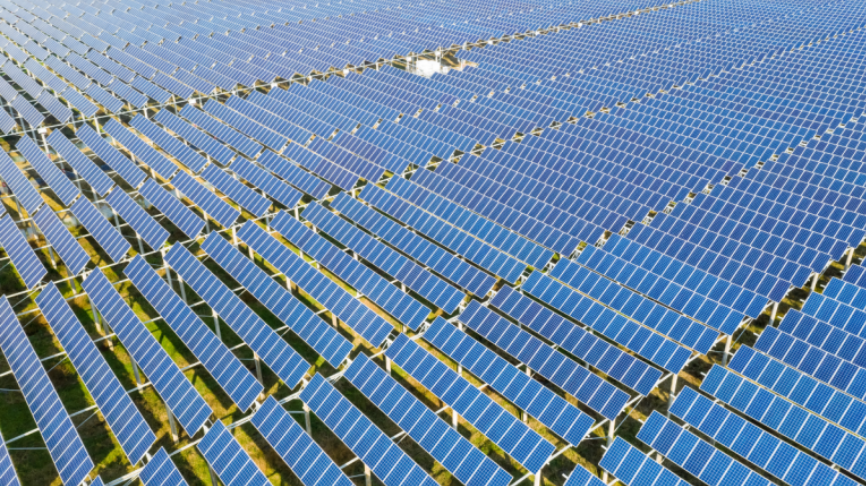
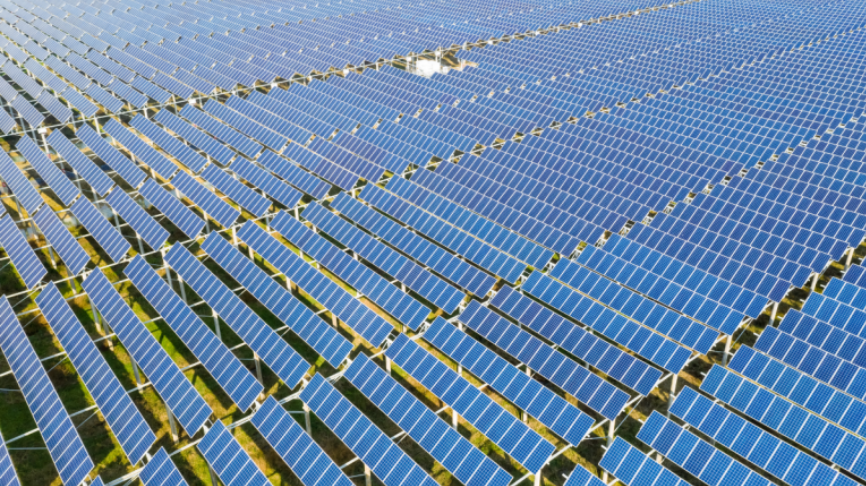
In a recent development concerning NTPC Limited, a prominent player in electricity generation, significant challenges arose due to revisions in Goods and Services Tax (GST) rates impacting their solar power projects. The alteration from a 5% to a 12% GST rate led NTPC to seek compensation for increased project costs incurred at their Gandhar and Kawas solar power facilities, collectively boasting a capacity of 76 MW.
The issue came to the fore when NTPC asserted that the tax rate adjustment qualified as a “Change in Law” event under their power usage agreements, entitling them to compensation to offset the heightened financial burden on their solar ventures. Telangana State Distribution Companies (Discoms), responsible for electricity distribution in Telangana, were pivotal respondents in this case, deeply impacted by changes in project costs and power tariffs.
During the hearings, detailed discussions ensued on how the GST rate shift affected project finances. NTPC had to furnish substantial evidence and documentation to substantiate its claim of direct financial impact from the tax adjustment. The regulatory body presiding over the matter evaluated submissions from both NTPC and the Discoms to determine the validity of the “Change in Law” claim and to decide on appropriate compensation.
The resolution of this case was pivotal not just for NTPC but for India’s broader utility and renewable energy sector, establishing a precedent for handling tax law changes under existing power usage agreements. This case underscores the necessity for clear regulatory frameworks adaptable to financial and economic shifts, ensuring sustainable energy project execution.