


MSMEs in a tax trap: GST rules, delayed payments squeeze India's small firms hard
June 27 marked National MSME Day, bringing a wave of lavish tributes canonising small businesses as the “backbone” of employment, industrial production, and exports. A few days later, on July 1, the nation marked GST Day, commemorating the ninth anniversary of the historic tax rollout. Yet a sobering operational reality remains. India’s small entrepreneurs still do not see a smooth, viable pathway to formalisation. They are trapped in a policy-induced pincer movement. Large corporate customers weaponise time, and a rigid, accrual-based tax architecture weaponises compliance.
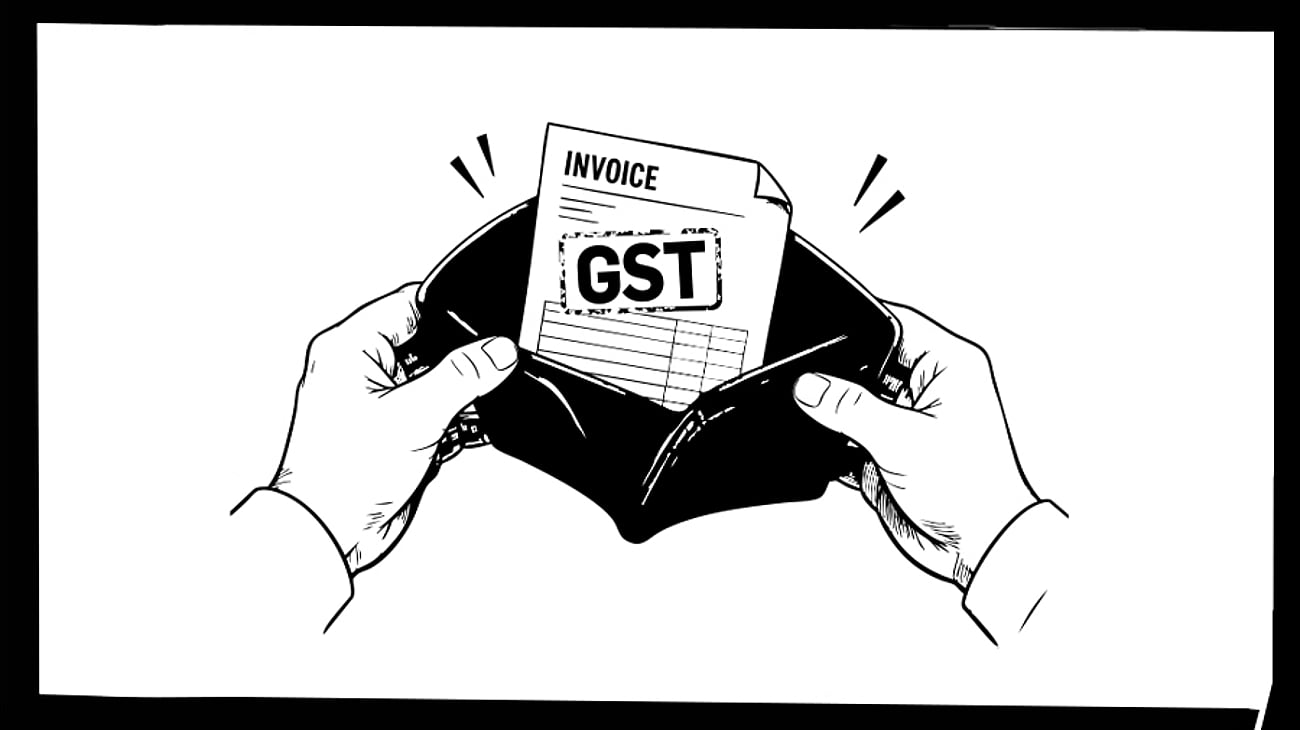
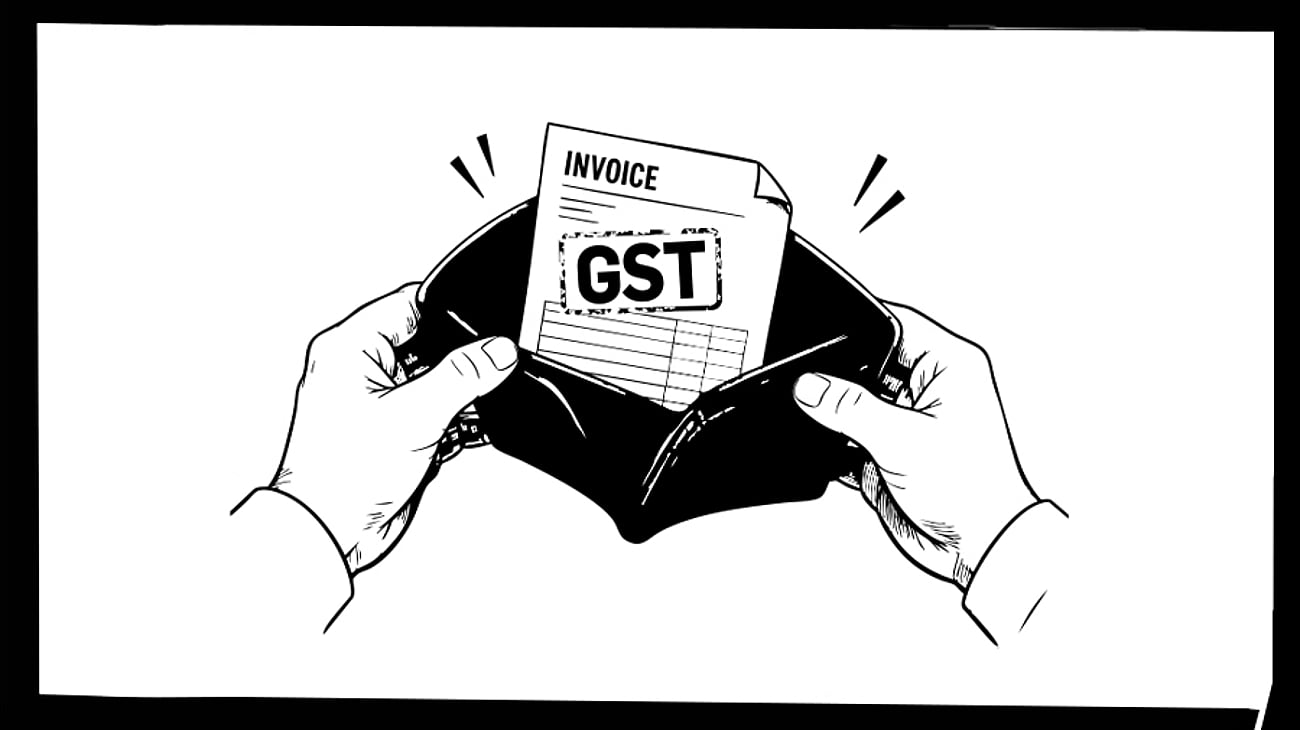
This structural contradiction has created a devastating double whammy. On one side, small enterprises are forced to act as involuntary, interest-free credit lines for big corporate buyers and Public Sector Undertakings (PSUs) who delay payments for months. On the other side, the GST demands immediate, non-negotiable tax payments on money that the MSME has not yet received. This can potentially choke small businesses to death.
Under Section 15 of the MSMED Act, 2006, buyers are legally obligated to settle vendor bills within 45 days if a written contract exists, or 15 days in its absence. The statute mandates a penalty and compound interest liability for non-compliance. Yet these timelines are unreal. Large private entities and government bodies routinely stretch payment cycles to 90, 120, or 180 days.
Even institutional interventions designed to bridge this gap have crashed into corporate non-cooperation. Take the Trade Receivables Discounting System (TReDS). This RBI-regulated electronic platform is meant to let MSMEs auction invoices to banks for instant liquidity. It is called bill discounting on an electronic platform. But large corporates and CPSEs actively refuse to onboard or approve invoices. Because TReDS binds buyers to an inflexible auto-debit system on maturity, any failure auto-reports them to credit bureaus. Rather than clean up their cash management to protect their credit scores, corporate giants simply block the platform entirely, leaving vendors out in the cold.