


Indian Staffing Federation renews pitch to GST rationalisation ahead of GST Council meet
With the buzz of the next GST Council meeting taking place over the summer, Indian Staffing Federation is making a renewed effort to push for a GST cut on outsourced manpower from 18 per cent to 5 per cent to incentivise the formalisation of unorganised workers.
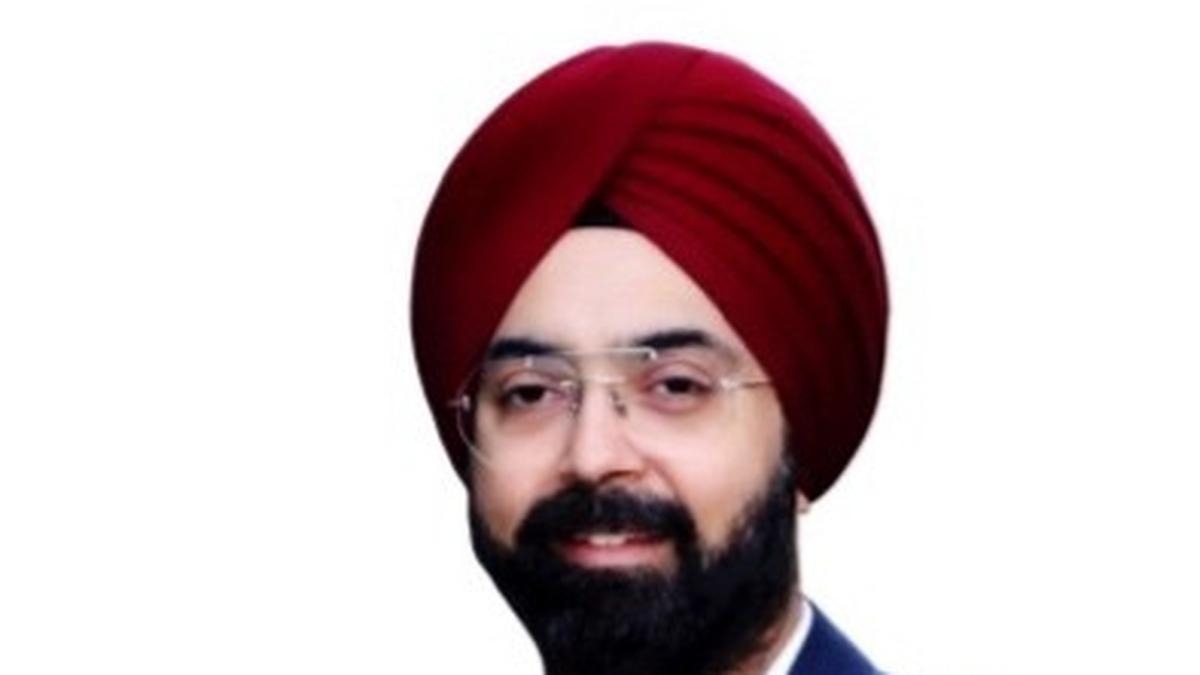
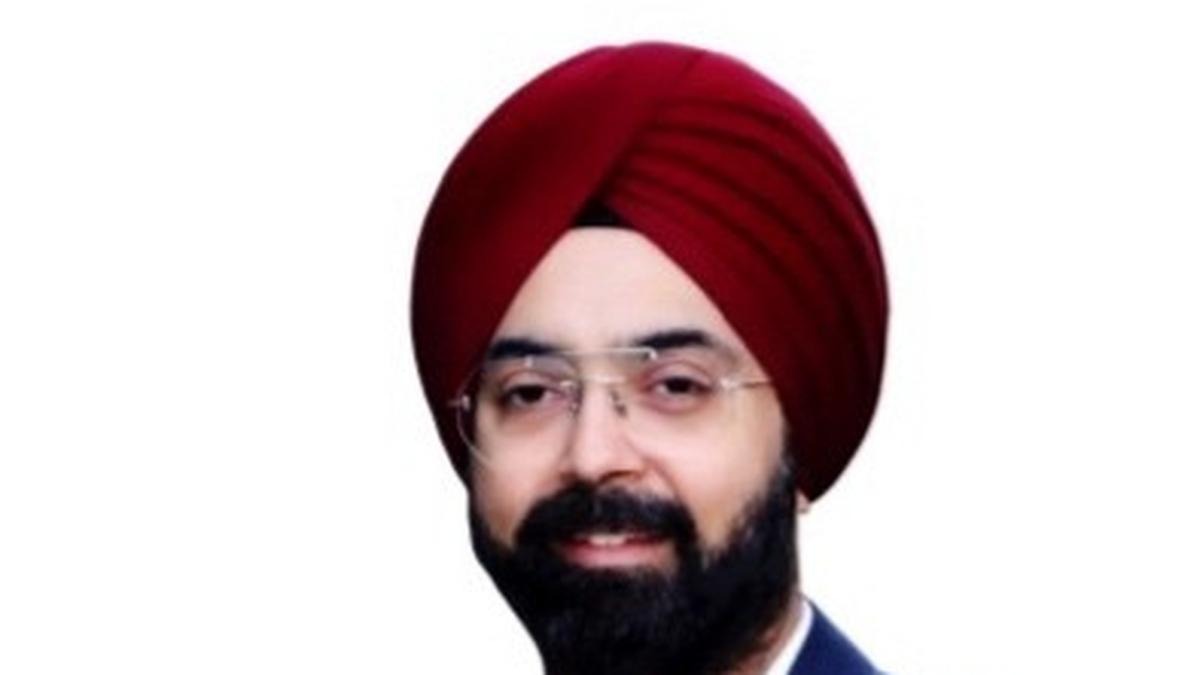
Indian Staffing Federation President Manmeet Singh, in an interaction with businessline, argued that the 18 per cent GST on staffing and outsourced manpower services is making formal hiring expensive, especially for MSMEs.
“In the last few years, we were in the 12 per cent service tax regime earlier, and it was moved to an 18 per cent GST tax on the industry of staffing. When you take the 18 per cent tax on the salary. For example, if I give you a salary of one lakh rupees, and then you have our service fee, which might be, let’s say, 5 per cent, and then on top of that, you pay 18 per cent more. And then the bill of that one lakh rupee goes to 1,10,000 plus 18 per cent. So we pay GST on the entire salaries that we process for our customers and not only our fee that we get,” he narrated.
The Federation, said Singh, has given representations to the Union Finance Ministry, Niti Aayog, Chief Economic Advisor, among others, and has also sought time to meet Commerce Ministry Piyush Goyal to apprise him of the economic projections of the reduced GST. This would lead to not only an increase in formal hiring but also expand payroll participation, improve financial inclusion, better social security for the workers, and eventually offset tax losses through higher economic activity and direct taxation, remarked Singh.
The ISF, the apex body for the organised manpower outsourcing and flexi-staffing industry in the country, represents between 120-130 member companies, and supports and employs over 1.7 million such workers annually, as per the Federation.
The ISF chief said that the Federation has received support letters from some state governments for GST rationalisation. He specifically mentioned Maharashtra, which wrote a letter to Union Finance Minister Nirmala Sitharaman last year, in support of bringing down the GST for reasons articulated by the ISF, he said, while adding that the matter is under discussion with other states like Haryana.
“ISF has been advised that wider state support will be important before the matter reaches the GST Council,” Singh stated.
Though the ISF has put up a sustained campaign over the last year or more than one year, under India’s overhauled GST 2.0 framework — which streamlined slabs into primarily 5 per cent and 18 per cent — the 5 per cent tier has been strictly preserved for essential “merit” commodities, life-saving drugs, and basic food items. The Finance Ministry categorises commercial B2B (business-to-business) activities, including commercial manpower outsourcing, under the standard 18 per cent rate.