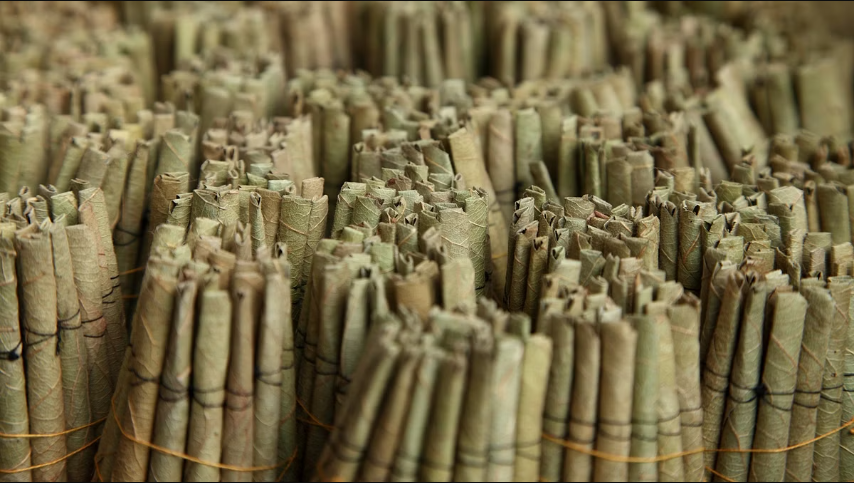




GST's impact on the beedi industry - Seeking a balanced approach
NEW DELHI: The goods and services tax (GST) has deeply impacted the traditional beedi industry, a cornerstone of rural livelihoods in India. Classified under the highest tax slab of 28 per cent since GST's implementation in 2017, beedis now face significant cost pressures, disrupting a sector that sustains over four million workers, most of whom are women in economically vulnerable regions.
This high tax rate has strained small-scale manufacturers, increased production costs, and led to reduced earnings for workers, many of whom rely on piece-rate wages. To counter these challenges, a recalibrated GST approach is vital. Proposals include introducing a tiered tax structure to support small producers, tax exemptions for rural beedi-making zones, and targeted subsidies for exporters to enhance global competitiveness.
Such measures would not only preserve this labour-intensive industry but also honor its cultural legacy and ensure fair wages for workers, many of whom depend on beedi-making as their sole source of income. Balancing revenue needs with social equity is crucial for sustaining the industry and protecting the livelihoods it supports. For the predominantly female workforce, the consequences have been severe.
Most women in the beedi industry work on a piece-rate basis, earning wages directly linked to their production. As manufacturers grapple with rising costs, many have reduced payouts to workers, leaving families in economically disadvantaged areas struggling to sustain themselves.