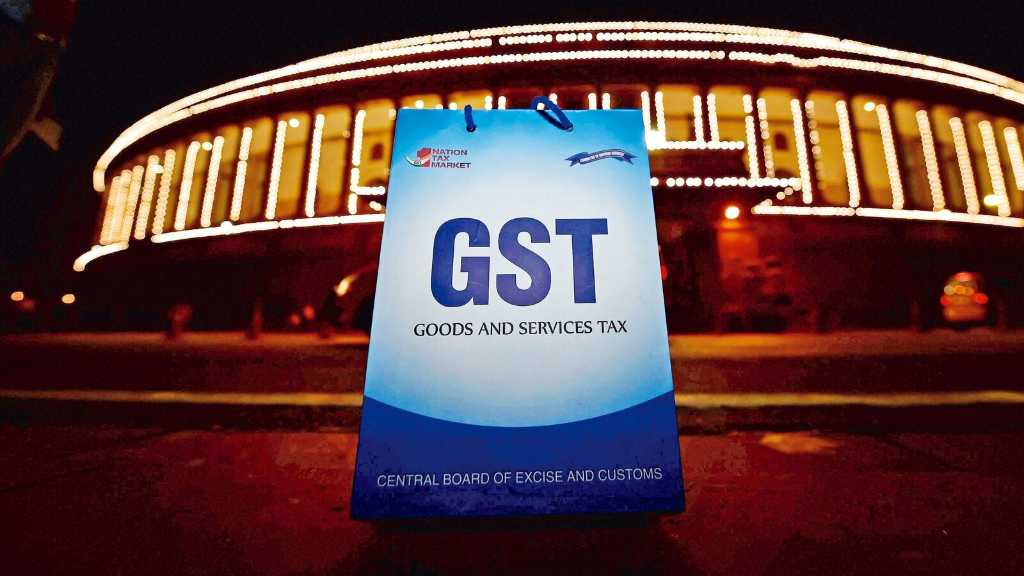



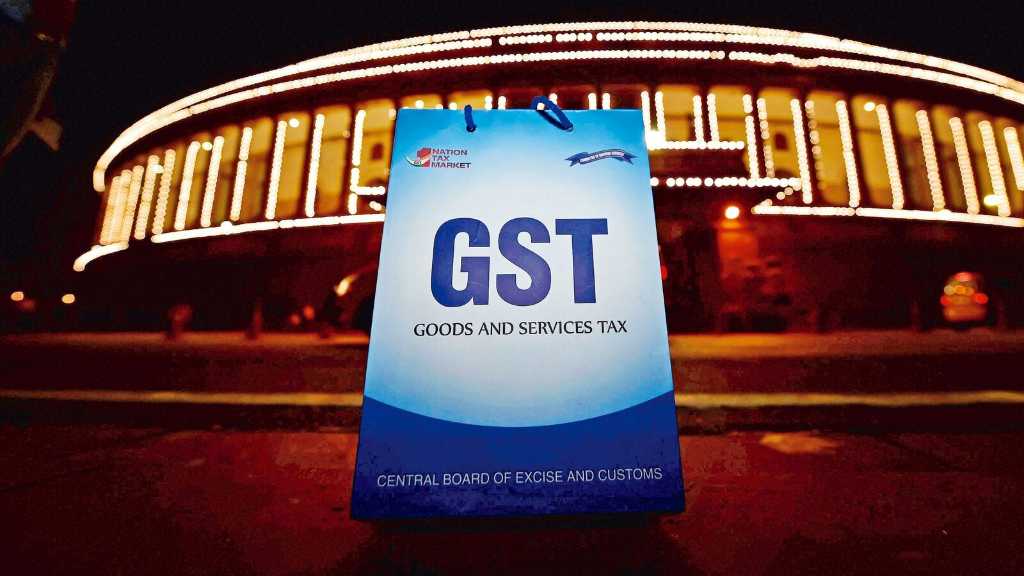
GST revamp: Taxes slashed on daily goods, cars, hotels
The GST Council on Wednesday unwrapped tax cuts on a wide array of daily use and aspirational goods ranging from packaged foods to consumer electronics, simplifying a multi-tiered structure and stimulating consumption. Over a marathon meeting stretching over 10 hours, the federal indirect taxes body executed the biggest overhaul of India's Goods and Services Tax (GST) regime, offering cheer for millions of consumers ahead of the nation's key festive season.
The new rates will take effect on 22 September, cooling prices of a host of items from toothpaste and shampoo to dishwashers, television sets and small and big cars. However, a major sticking point remains unresolved: several states not ruled by the Bharatiya Janata Party have flagged potential revenue loss and pressed for compensation, a demand that has yet to be addressed by the central government.
Finance minister Nirmala Sitharaman said this is not just tax rate rationalization, but is also about reforms and improving ease of doing business. “There shall only be two slabs,” the Sitharaman said.
Focus on common man
“The reforms have been carried out with a focus on the common man,” the minister said at a late-night press briefing, adding that every tax levied on items used by the common man have been rigorously reviewed while finalizing the proposals.
As part of the tax rate revamp, GST on products like hair oil, shampoo, tooth paste, tableware and kitchenware will come down from either 12% or 18% to 5%. Similarly, products like paneer and all forms of Indian breads, whether roti or paratha, will come down from 5% to zero.