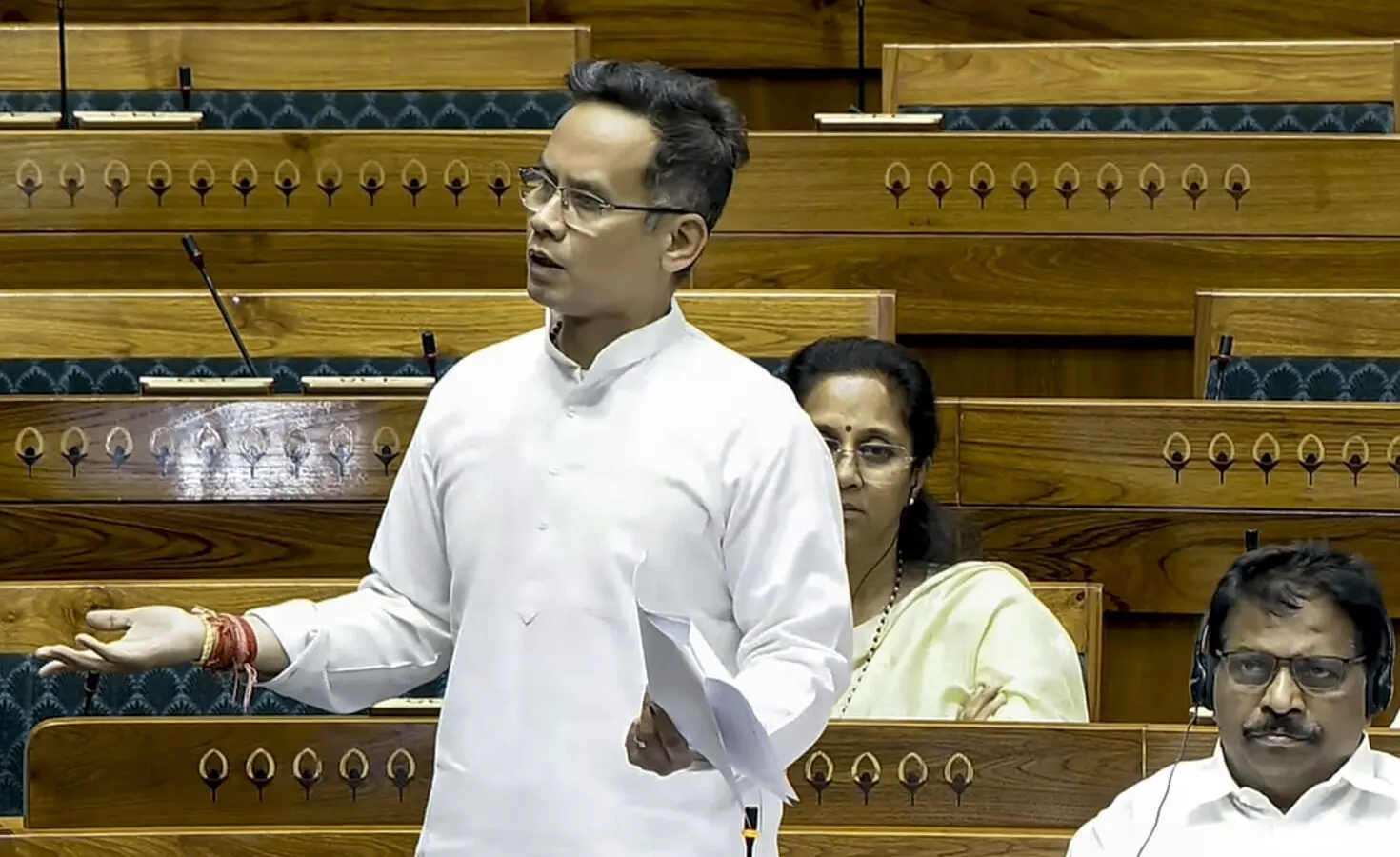



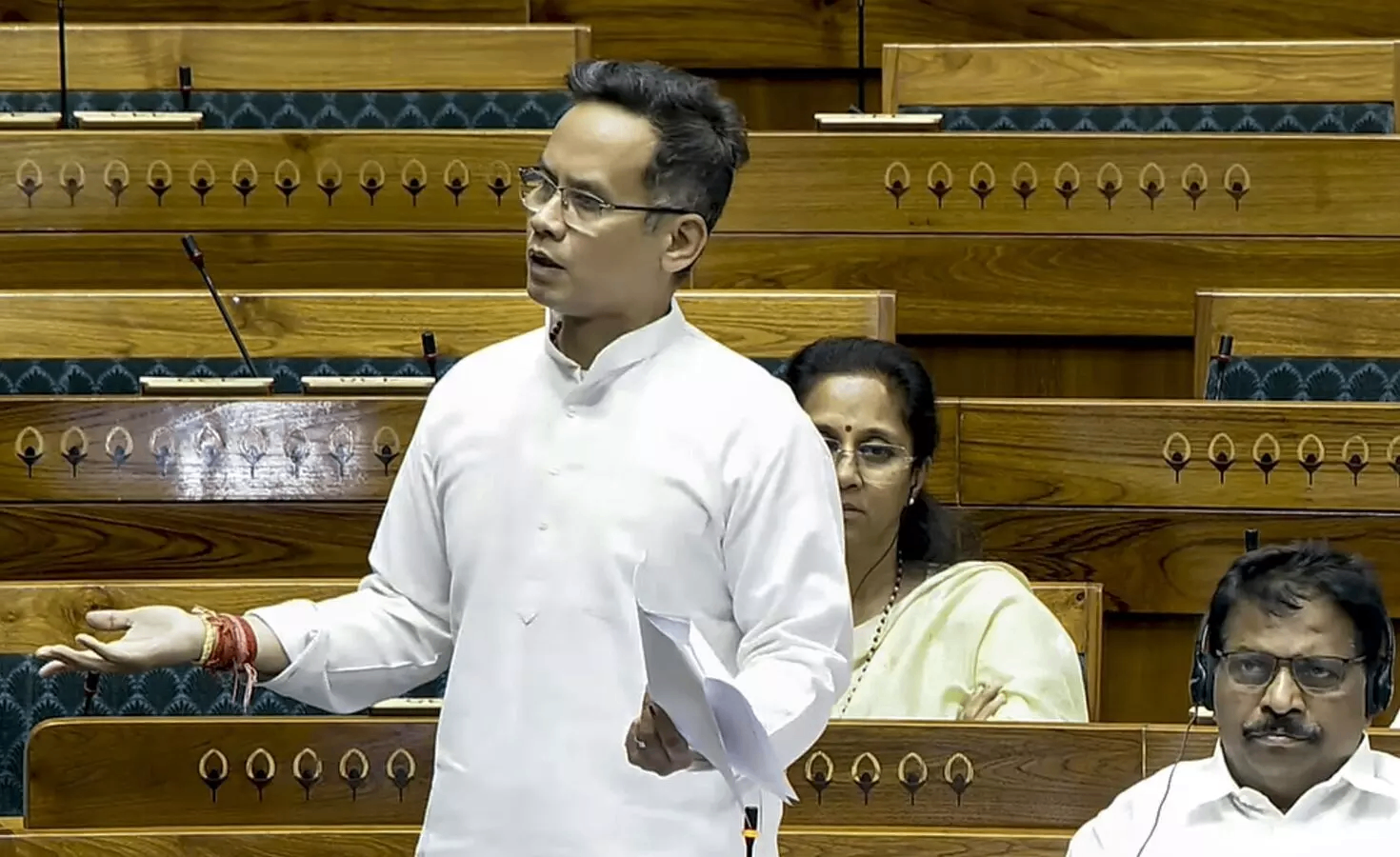
Gaurav Gogoi flags GST compliance hurdles for small businesses, writes to FM
New Delhi, Aug 12: Congress MP Gaurav Gogoi has flagged the growing compliance burden faced by small businesses under the Goods and Services Tax (GST) regime, saying the primary difficulty is “not taxation itself but the complexity of compliance”.
In a letter addressed to Union Finance Minister Nirmala Sitharaman, Gogoi said his interactions with traders, entrepreneurs, manufacturers and members of the local business community across the Jorhat constituency have highlighted persistent difficulties in navigating GST procedures.
“Frequent amendments to GST rules and procedures make it difficult for small traders to remain updated, resulting in increased dependence on tax professionals and higher compliance costs,” the letter, dated Wednesday, read.
Gogoi said the problem is particularly acute for small businesses in rural and semi-urban areas, which often struggle to keep pace with evolving regulations.
He also flagged the continued pendency of notices dating back to the initial years of GST implementation, saying genuine taxpayers who may have made inadvertent procedural errors continued to face uncertainty and financial burdens.
“A simplified and time-bound mechanism for resolving such legacy issues would greatly benefit small businesses and improve confidence in the tax administration,” he said.
The Congress MP also called for greater rationalisation of GST rates, particularly in sectors where multiple tax slabs lead to classification disputes and add to the compliance burden.
“A simplified rate structure would reduce ambiguity and facilitate easier compliance for businesses,” Gogoi said.
Another concern raised in the letter was the denial or blockage of Input Tax Credit (ITC) because of defaults by suppliers, even when the purchasing business has acted in good faith and possesses valid tax invoices and proof of payment.
Gogoi urged the government to protect bona fide purchasers in such cases while ensuring that enforcement action and recovery are directed at the actual defaulters.
He also called for GST guidance, educational material and digital portal support to be made available in Assamese and other regional languages. “Small traders often rely on intermediaries for routine compliance because official information and educational material are not readily available in their native language,” he said.
Gogoi urged the Finance Ministry to consolidate GST amendments into fewer, well-publicised implementation cycles to make the compliance framework more predictable.
He also sought a simplified, transparent and time-bound mechanism for resolving pending legacy notices, protection of ITC for bona fide purchasers where genuine transactions and payment can be established, and recovery of dues from defaulting suppliers.
Among his other suggestions was the establishment of district-level GST Facilitation Centres in coordination with trade associations and professional bodies to assist small businesses with registration, return filing, compliance and grievance redressal.
Gogoi said the measures would reduce the compliance burden on small businesses while strengthening voluntary tax compliance, promoting formalisation of the economy and enhancing trust between taxpayers and the tax administration.