


Gaming Sector Funding Crashes 90% Amid GST Fears, Monetisation Gaps
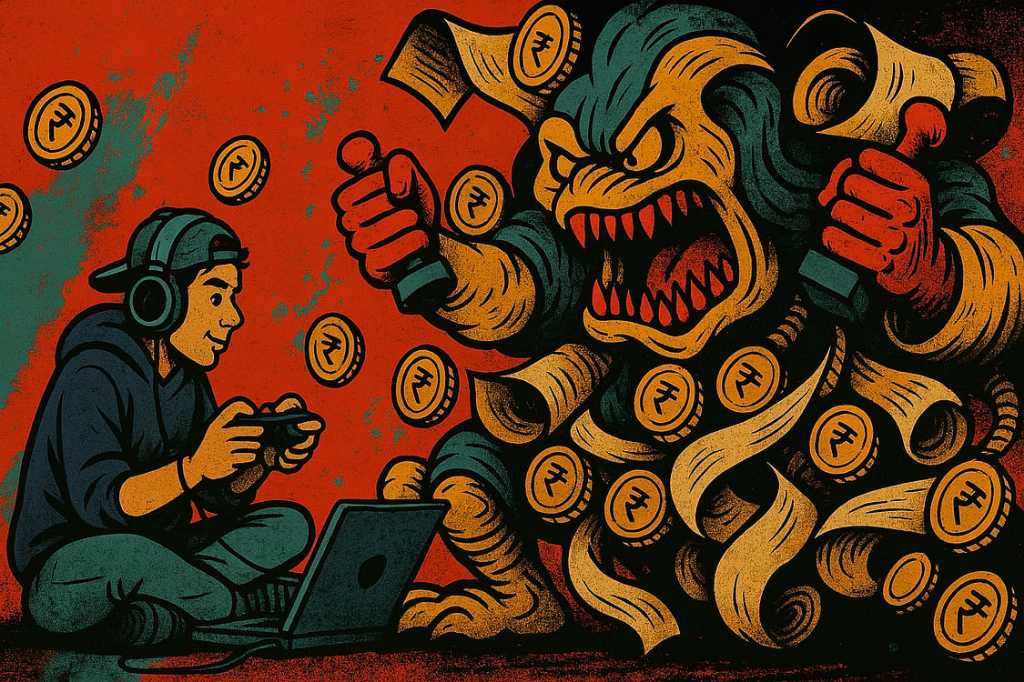
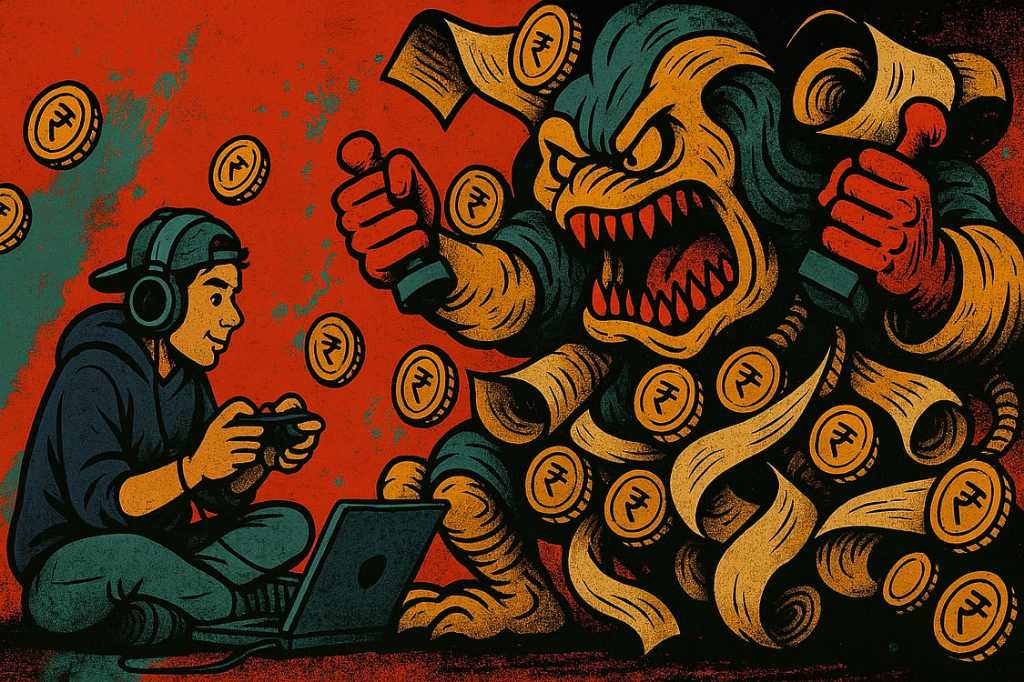
Funding for gaming start-ups in India has dropped nearly 90% in just three years due to regulatory doubts around GST on real-money gaming, the absence of a national policy framework for the sector and gaps in the business models of startups in the sector.
Investments in gaming start-ups in India plunged from over $610mn across 71 rounds in financial year 2022 to only $55.9mn over 34 rounds in financial year 2025, according to data from Tracxn.
“The fundamentals are still solid. We are a mobile-first nation with the lowest data costs globally and a growing appetite for interactive entertainment. The only thing missing is stability,” says Anuraag Saxena, chief executive of the E-Gaming Federation, an industry body that represents online gaming companies and advocates for fair regulation and responsible gaming.
Much of the funding freeze can be traced to the shaky foundations of many gaming start-ups, particularly those focused on real-money gaming. Also, industry experts say that during the pandemic boom, several Indian gaming companies prioritised rapid user acquisition and engagement over building robust monetisation strategies.
“The primary reason for the funding dip is the lack of focus on revenues,” said Bhaskar Majumdar, managing partner at Unicorn India Ventures. “Too many companies were chasing vanity metrics, leading to massive cash burns and eroded valuations.”
Real-money gaming—which includes fantasy sports and other paid contests—was once seen as the big bet to monetise India’s massive gaming audience. But regulatory ambiguity, especially around GST on real-money transactions, has created significant headwinds.
“The GST issues around that subsector have slowed investment. Free-to-play gaming has always attracted smaller investments around $40 to $50 million. It's a slightly smaller industry, more early-stage than mid or late stage. That segment is still growing, which is why we are looking at this market with interest,” says Anuj Tandon, partner at Bitkraft, a venture capital firm that invests in gaming startups.
The lack of a unified national policy has made long-term planning risky for start-ups and has deterred both venture capital and private equity investors. Margins for real-money games have also come under pressure. Many firms relied heavily on advertising revenues and promotional spends to sustain user interest.
But as Majumdar cautions, “Just depending on ad revenues is not enough anymore. Founders need to rethink how games can simultaneously drive traction and deliver real monetary returns.”
Source : https://www.outlookbusiness.com/start-up/gaming-sector-funding-crashes-90-amid-gst-fears-monetisation-gaps